
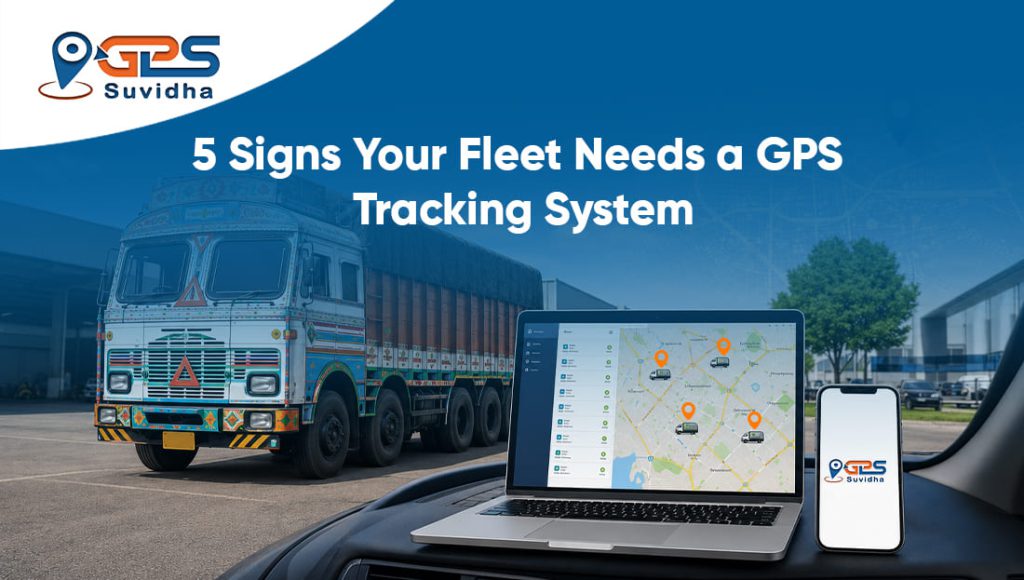
Running a fleet is not just about moving vehicles from one place to another. It is about keeping every trip organized, making informed decisions, and ensuring that vehicles operate smoothly every day.
Many businesses begin with a small fleet. At first, phone calls, spreadsheets, and driver updates may seem enough. However, as the number of vehicles grows, managing daily operations becomes more difficult.
Managers need quick access to vehicle locations, trip details, and route information. Without accurate data, it becomes harder to monitor fleet operations and respond to daily challenges.
This is where a GPS Tracking System becomes valuable.
A GPS Tracking System helps businesses monitor vehicles in real time, review trip history, and improve fleet visibility. If your business is facing any of the following challenges, it may be time to invest in one.
Why Many Businesses Wait Too Long
Many fleet owners delay installing a GPS Tracking System because their current process seems to work.
However, manual tracking often becomes less effective as the fleet grows.
Frequent phone calls, handwritten records, and manual reports take time. They also make it harder to get accurate information when it is needed most.
Recognizing the warning signs early can help businesses improve fleet management before daily operations become more complex.
5 Clear Signs Your Fleet Needs a GPS Tracking System
Sign 1: You Depend on Phone Calls to Track Vehicles
If you regularly call drivers to ask where they are, your fleet may have outgrown manual tracking.
Phone calls interrupt drivers and take up time for managers.
A GPS Tracking System allows managers to view vehicle locations from one dashboard.
As a result, everyone saves time, and communication becomes more efficient.
Sign 2: You Cannot See Your Entire Fleet in One Place
Managing several vehicles without one central view can be challenging.
Information may come from different drivers or different records.
Because of this, it becomes difficult to understand what is happening across the fleet.
A GPS Tracking System provides one platform where managers can monitor multiple vehicles at the same time.
This improves visibility and helps managers stay informed throughout the day.
Sign 3: You Find It Difficult to Review Routes and Trips
Knowing where vehicles have traveled is important for daily operations.
Without route history, managers may struggle to review completed trips.
A GPS Tracking System records route information automatically.
Managers can review previous trips whenever necessary.
This makes fleet management more organized and easier to understand.
Sign 4: Important Updates Reach You Too Late
Business decisions often depend on timely information.
However, manual communication can delay important updates.
For example, managers may not know immediately if a vehicle has stopped for a long time or moved away from its planned route.
With GPS, managers receive important updates faster.
As a result, they can respond more quickly to changing situations.
Sign 5: Preparing Fleet Reports Takes Too Much Time
Fleet reports help managers understand daily vehicle activity.
However, creating reports manually can take hours.
Managers often collect information from several sources before preparing a report.
A Tracking System automatically stores trip and vehicle information.
This makes reporting faster and helps managers review fleet performance more easily.
Also Read:- How GPS Tracking Systems Help Improve Vehicle Security
What Happens When You Ignore These Signs?
Ignoring these signs does not always create problems immediately.
However, as the fleet grows, small issues can become larger operational challenges.
Managers may spend more time searching for information instead of managing the business.
Daily planning may become slower, and reviewing fleet activity may require additional effort.
Using the right technology early can help businesses stay organized as operations expand.
How GPS Suvidha Can Help
Once a business decides to use a GPS Tracking System, choosing the right solution becomes important.
GPS Suvidha offers GPS Tracking solutions designed to help businesses monitor fleet activity more effectively.
Depending on the selected solution, GPS Suvidha offers features available on its platform, including:
- Real-time vehicle tracking
- Route history
- Route monitoring
- Overspeed alerts
- Long stop alerts
- Route deviation alerts
- Daily reports
- Fuel monitoring
These features help businesses gain better visibility into fleet operations and make informed decisions using real-time information.
Final Thoughts
Every growing fleet reaches a point where manual tracking is no longer enough.
If you depend on phone calls, struggle to review routes, spend too much time preparing reports, or lack visibility into your fleet, it may be the right time to consider a GPS Tracking System.
With better tracking, route monitoring, and reporting, businesses can manage daily operations with greater confidence and efficiency.
Frequently Asked Questions
A GPS Tracking System helps businesses monitor vehicle locations, routes, and trip activity using GPS technology.
It is suitable for transport companies, logistics providers, service businesses, school transportation, and any organization that manages multiple vehicles.
Yes. Fleet managers can view multiple vehicles from a single platform.
Route history helps managers review completed trips and better understand vehicle movement.
Depending on the solution, reports may include trip history, route details, and daily fleet reports.