
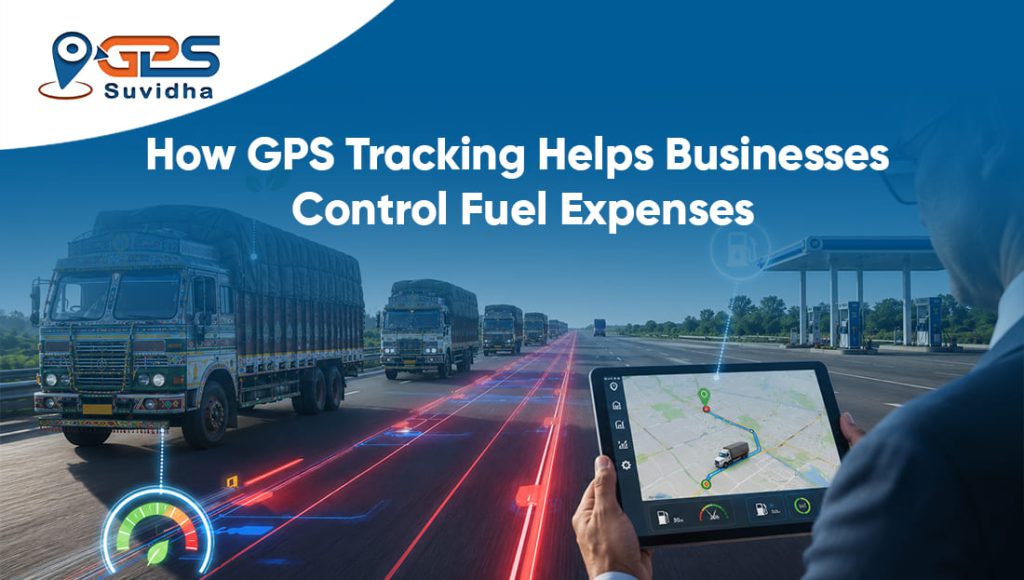
Fuel is one of the biggest operating costs for many businesses.
This is especially true for companies that use vehicles every day. Transport businesses, logistics companies, and service providers often spend a large part of their budget on fuel.
Because of this, keeping fuel expenses under control is important.
However, managing fuel costs can be difficult without accurate information about vehicle movement and usage.
This is where GPS Tracking can help.
GPS Tracking gives businesses better visibility into vehicle activity. It also helps managers review routes, monitor trips, and track fleet operations.
As a result, businesses can make better decisions about vehicle usage and fuel management.
Why Fuel Expenses Matter
Fuel costs affect daily operations.
When businesses operate multiple vehicles, fuel expenses can increase quickly.
Therefore, managers need a clear understanding of how vehicles are being used.
They need answers to questions such as:
- Which vehicles are active?
- What routes are being followed?
- How long are vehicles operating?
- Where are vehicles spending time?
Because of this, accurate fleet information becomes important.
What is GPS Tracking?
GPS Tracking is a system that shows vehicle locations and movement.
A GPS device sends location information to a tracking platform.
As a result, managers can see where vehicles are and review trip details.
In addition, they can monitor routes and access vehicle reports.
Therefore, GPS Tracking helps businesses stay informed about fleet activity.
GPS Tracking Provides Better Route Visibility
Route visibility is important for fleet operations.
Managers need to understand how vehicles move between locations.
GPS Tracking helps businesses review routes and trip history.
For example, managers can see where vehicles traveled during a trip.
As a result, they gain a clearer picture of daily vehicle movement.
Therefore, route planning becomes easier.
Real-Time Tracking Helps Managers Stay Informed
Vehicle activity can change throughout the day.
Because of this, managers need current information.
GPS Tracking provides real-time vehicle updates.
Managers can see where vehicles are and review trip progress.
As a result, they can make faster operational decisions.
Furthermore, they can stay informed without relying only on manual updates.
Monitoring Vehicle Activity Supports Better Fuel Management
Understanding vehicle activity is an important part of fuel management.
Businesses need to know how vehicles are being used.
GPS Tracking helps managers review:
- Vehicle movement
- Route history
- Trip activity
- Fleet operations
Because of this, managers gain better visibility into daily vehicle usage.
As a result, they can make more informed decisions about fleet operations.
Alerts Help Managers Respond Quickly
Monitoring multiple vehicles manually can take time.
However, GPS Tracking systems can provide alerts.
For example, managers may receive:
- Overspeed alerts
- Long stop alerts
- Route deviation alerts
As a result, they can stay updated about fleet activity.
Furthermore, they can respond more quickly when needed.
Reports Help Businesses Understand Fleet Operations
Reports provide useful information about vehicle activity.
Managers can review:
- Trip history
- Route details
- Vehicle movement
- Fleet activity
Because of this, businesses gain a better understanding of how their fleet operates.
As a result, planning and decision-making become easier.
Also Read:- Truck GPS Tracking: The Key to Smarter Fleet Operations
Why More Businesses Use GPS Tracking Today
Today, businesses need accurate information.
They also need better visibility into fleet operations.
GPS Tracking provides both.
It helps managers monitor vehicles, review routes, and access reports from one platform.
Therefore, many businesses use GPS Tracking to support fleet management and fuel monitoring efforts.
How GPS Suvidha Helps Businesses Monitor Fuel and Fleet Activity
GPS Suvidha offers GPS tracking solutions that help businesses monitor vehicle movement and fleet activity.
Based on the features available through GPS Suvidha, businesses can:
- Track vehicles in real time
- Monitor routes
- Access route history
- Receive overspeed alerts
- Receive long stop alerts
- View daily reports
- Monitor fuel-related information where supported by the installed solution
- View fleet activity from a single platform
Because all important fleet information is available in one place, managers can stay informed throughout the day.
As a result, they gain better visibility into vehicle operations.
How GPS Tracking Supports Better Fuel Control
Fuel management starts with visibility.
Businesses need accurate information about vehicle movement and fleet activity.
GPS Tracking helps provide that information.
It allows managers to review routes, monitor trips, and access fleet reports.
As a result, businesses can make better decisions about vehicle usage and fleet operations.
Frequently Asked Questions
GPS Tracking helps businesses monitor vehicle movement, routes, and fleet activity. This information supports better operational decisions.
Yes. GPS Tracking systems can provide route history and trip details.
Route monitoring helps businesses understand vehicle movement and daily operations.
Yes. GPS Tracking allows managers to monitor multiple vehicles from one platform.
Reports can include trip history, route details, and vehicle activity information.