
Vehicle safety has always been important. However, in the past, tracking vehicles was not very reliable. Most systems depended on manual updates, phone calls, or limited technologies. Because of this, it was difficult to ensure safety, especially during emergencies or unexpected situations.
The introduction of GPS tracking changed this completely. It made vehicle monitoring more accurate, faster, and much safer than traditional tracking methods.
How Traditional Tracking Methods Worked
Before GPS tracking, vehicle monitoring depended on methods like:
- Phone calls with drivers
- Paper logs
- Cellular tower-based tracking
- RFID or checkpoint-based systems
While these methods worked to some extent, they had serious safety limitations.
For example, cellular tracking only provides an approximate location based on nearby towers, not the exact position.
Similarly, RFID systems only work when a vehicle passes a specific checkpoint.
Because of these limitations, safety was always a concern.
Why GPS Tracking is Safer Than Traditional Methods
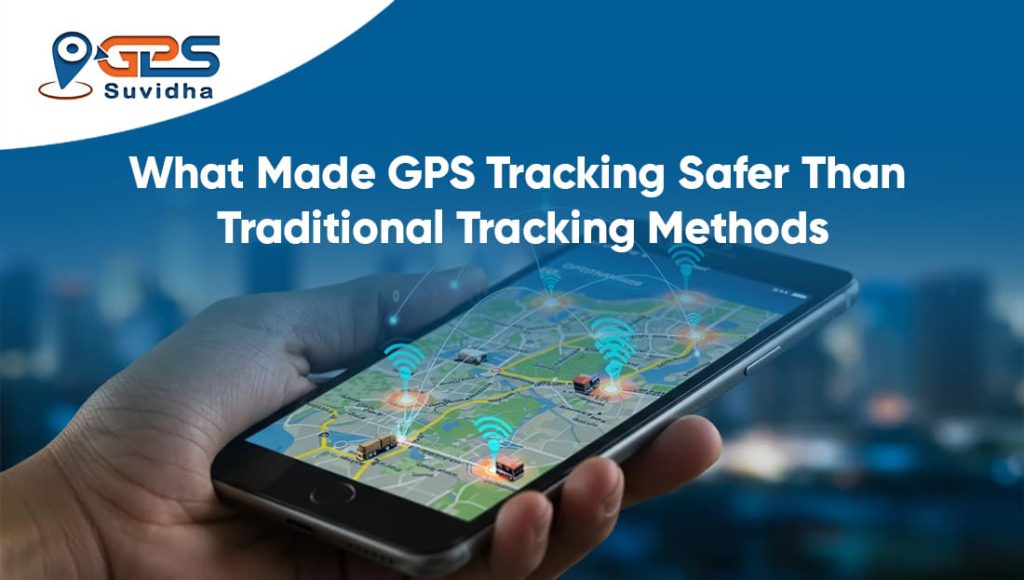
First, it provides real-time location tracking
One of the biggest safety improvements is real-time tracking.
With GPS, you can see the exact location of a vehicle at any moment. This is not possible with traditional methods.
According to telematics research, GPS tracking systems provide continuous real-time location data, which improves monitoring and safety.
(Source: Fleet tracking and telematics industry insights)
This means you don’t have to wait for updates-you already know where your vehicle is.
Next, it offers higher accuracy
Traditional tracking methods often provide only estimated locations.
In contrast, GPS systems are highly accurate.
Most GPS tracking systems can locate a vehicle within 3 to 10 meters under normal conditions.
(Source: GPS accuracy studies – telematics research)
Because of this accuracy, it becomes easier to respond quickly in case of emergencies.
Faster response during emergencies
Safety is most important during emergencies like:
- Accidents
- Breakdowns
- Vehicle theft
With GPS tracking, the exact location is available instantly. This allows faster response and quicker assistance.
Without GPS, finding a vehicle during an emergency could take much longer.
Continuous monitoring instead of partial tracking
Traditional methods only provide updates at certain points.
For example:
- RFID works only at checkpoints
- Phone updates depend on the driver
However, GPS tracking provides continuous monitoring.
This means:
- Full journey visibility
- No missing data
- Better control
Improved driver safety and behavior monitoring
GPS tracking systems also monitor driver behavior.
They can detect:
- Overspeeding
- Harsh braking
- Sudden acceleration
Studies show that monitoring driver behavior helps reduce accidents and improve safety.
(Source: Fleet safety and telematics reports)
Safer driving = fewer risks
Better theft prevention and recovery
Vehicle theft is a major concern.
With GPS tracking:
- You can locate a stolen vehicle quickly
- Authorities can respond faster
- Recovery chances increase
Without GPS, tracking a stolen vehicle is extremely difficult.
Reduced dependency on manual reporting
Traditional tracking depended heavily on drivers.
This created risks like:
- Incorrect information
- Delayed updates
- Miscommunication
With GPS, everything is automatic and data-driven.
This reduces human error and improves safety.
Also Read:- How Early GPS Tracking Helped Transport Businesses Grow Faster
Challenges of GPS
It is important to note that GPS is not perfect.
Sometimes, accuracy can be affected by:
- Tunnels or underground areas
- Tall buildings (signal blockage)
- Poor satellite visibility
However, modern systems use improved technology to reduce these issues and maintain reliable tracking.
Why This Matters in India
In India, safety challenges are higher due to:
- Heavy traffic
- Long-distance travel
- Increasing vehicle theft cases
Because of these conditions, GPS tracking becomes even more important.
It helps businesses and vehicle owners maintain better control and improve safety.
How GPS Suvidha Helps Improve Vehicle Safety
If we compare traditional tracking with modern solutions, the difference is clear.
With GPS Suvidha, you get:
- Real-time vehicle tracking
- Accurate location updates
- Route history and alerts
This helps you stay informed and take quick action when needed.
Instead of depending on guesswork, you get reliable data that improves safety and control.
When Should You Choose GPS Tracking?
You should consider GPS tracking if:
- You want better vehicle safety
- You want real-time monitoring
- You want to reduce risks and delays
- You want accurate data instead of estimates
Want a Safer Way to Track Your Vehicles?
If you want to move beyond traditional tracking methods and improve vehicle safety, using a GPS-based system is a smart step.
With solutions like GPS Suvidha, you get accurate, real-time tracking along with easy-to-use features that help you manage your vehicles more safely and efficiently.
Instead of waiting for updates, you stay informed at every moment.
Frequently Asked Questions
Because it provides real-time, accurate, and continuous tracking instead of delayed or estimated data.
Most GPS systems are accurate within 3–10 meters under normal conditions.
Yes. Monitoring driver behavior helps improve driving habits and reduce accident risks.
Yes. It improves safety, prevents theft, and gives better control over your vehicle.