
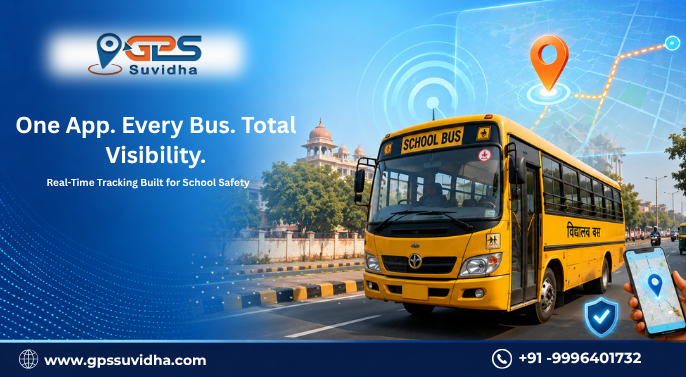
Every morning, parents hand their children over to a school bus driver and hope for the best. Without visibility into where that bus is, hope can quickly turn into anxiety – especially when a bus runs late or a route changes unexpectedly. School bus tracking solves this problem by giving schools, transport operators, and parents live insight into a bus’s exact location and arrival time. This guide covers what school bus tracking is, why it matters, and what to look for in a reliable system.
What Is School Bus Tracking?
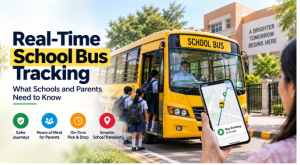
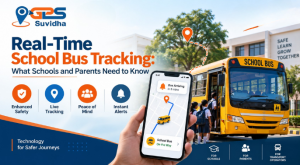
School bus tracking uses GPS technology to monitor a bus’s location, route, speed, and driver behavior in real time. Instead of relying on phone calls or guesswork, administrators and parents get a live map view, automated alerts, and accurate arrival estimates. According to the National Highway Traffic Safety Administration, school transportation safety has become a growing priority for districts nationwide, and GPS-based monitoring is a key part of that shift. Many school bus tracking systems now also monitor which students board and exit the bus, so schools always know who’s on board.
Why School Bus Tracking Matters
1. Student Safety Comes First
Safety is the top reason schools adopt bus tracking systems. Administrators can confirm buses are following approved routes, moving at safe speeds, and stopping only at designated points. If a bus breaks down or deviates from its route, the system flags it immediately, giving staff time to respond before a small issue becomes serious.
2. Peace of Mind for Parents
Parents want to know their child arrived safely, and tracking apps make that visible. Real-time alerts notify parents when a bus approaches their stop, when their child boards or exits, and if there’s a delay. This transparency cuts down on “where’s the bus?” calls to the school office and builds trust between families and the transport team.
3. Smarter Route Planning
Tracking data also improves long-term planning. Schools can review historical route data to spot inefficiencies, reduce fuel costs, and design better pick-up and drop-off schedules – leading to shorter commutes and lower operating costs over time.
4. Accountability for Drivers and Vendors
For districts that contract out transportation, a bus tracking system creates accountability. Administrators can review driving patterns, confirm routes were followed, and flag speeding or unauthorized stops – protecting the school from liability while ensuring vendors deliver on their contracts.
5. Faster Emergency Response
If a breakdown or medical emergency occurs, every second counts. Live tracking tells staff and emergency responders exactly where the bus is, cutting response time significantly.
Key Features to Look for in a School Bus Tracking System
When evaluating a school bus tracking solution, prioritize:
- Real-time GPS monitoring – live location updates on an interactive map
- Geo-fencing – automated alerts when a bus enters or exits a defined zone
- Route deviation alerts – instant notifications if a bus goes off its approved path
- Parent mobile app – a simple way to track pick-up and drop-off status
- Student boarding confirmation – verification of which students are on board
- Driving behavior reports – data to flag unsafe habits like speeding
- MIS/administrative reports – insights for route optimization and cost control
Related reading: check out our guide to Fleet Management for how these same principles apply across a full vehicle fleet, or explore Vehicle Tracking Solutions for broader transport monitoring needs.
How GPS Suvidha’s School Bus Tracking Works
GPS Suvidha’s school bus tracking solution centers on a “Pick and Drop” mobile app built specifically for child safety. Parents get live visibility into their child’s bus, while administrators get a full toolkit: geo-fencing, route deviation alerts, and customized MIS reports.
For school authorities, the platform helps optimize routes, monitor driving patterns, and receive real-time alerts for speed violations, breakdowns, or emergencies – improving safety and cutting costs. For parents, it means SMS alerts when the bus reaches a stop or school, the option to arrange a pickup if a child misses the bus, and the ability to ping the bus anytime for an updated location.
Frequently Asked Questions
School bus tracking works through a GPS device installed on the bus that continuously sends location data to a server. This data is displayed on a live map through a web dashboard or mobile app, allowing schools and parents to see the bus’s real-time position, speed, and route.
Yes. School bus tracking systems use the same GPS technology found in ride-sharing and logistics apps, refined for accuracy. Most systems also include geo-fencing and route deviation alerts, adding an extra layer of safety beyond simple location tracking.
Yes, with a school bus tracking system like GPS Suvidha’s “Pick and Drop” app, parents can view their child’s bus location in real time, receive SMS alerts when the bus nears their stop, and get notified when their child boards or exits the bus.
Geo-fencing is a virtual boundary set around a specific area, such as a school zone or neighborhood. When a school bus enters or exits this boundary, the system automatically sends an alert to administrators or parents, helping confirm the bus stayed on its approved route.
Costs vary based on fleet size, the number of features included (such as student boarding tracking or in-built cameras), and whether it’s a one-time hardware cost plus a subscription, or a fully bundled service. Contact a provider like GPS Suvidha for a customized quote based on your fleet size.
Final Thoughts
School bus tracking has moved from a nice-to-have to a baseline expectation in modern school transportation. It protects students, reassures parents, and equips administrators to run a safer, more efficient fleet. If your school or transport service hasn’t implemented school bus tracking yet, now is the time to explore your options.
Ready to make your school transportation safer and smarter? Learn more about GPS Suvidha’s School Bus Tracking solution and see how real-time tracking can work for your fleet.
Costs vary based on fleet size, features (like student boarding tracking or geo-fencing), and the number of buses being monitored. Contact GPS Suvidha directly for a customized quote based on your school’s needs.