
Managing a fleet without real-time visibility creates unnecessary operational challenges. Fleet owners need to know where their vehicles are, whether drivers are following planned routes, how efficiently vehicles are being used, and whether deliveries are progressing on schedule.
For logistics and transportation businesses, even small inefficiencies can quickly become expensive. Excessive fuel consumption, unnecessary stops, route deviations, delayed deliveries, and poor driver accountability can directly affect profitability and customer satisfaction.
This is where a truck GPS tracking solution becomes an important part of modern fleet management.
A reliable GPS tracking system enables fleet owners and managers to monitor vehicles in real time through a centralized platform. Instead of depending entirely on phone calls, manual records, or assumptions, businesses can use live vehicle data to make faster and more informed operational decisions.
Whether you manage a small fleet or hundreds of commercial vehicles, real-time truck tracking can provide greater control over daily operations, improve accountability, and help identify areas where costs can be reduced.
Why Traditional Fleet Tracking Methods Fall Short
Many fleet businesses still depend on manual methods to monitor vehicles. Drivers may be asked to provide location updates over the phone, while fleet managers rely on spreadsheets, delivery calls, and manual records to understand vehicle movement.
Common challenges include:
- Repeatedly calling drivers for location updates
- Limited visibility into vehicle movement during a journey
- Estimating fuel consumption instead of monitoring usage patterns
- Discovering route deviations after delays have already occurred
- Limited visibility into driver behavior
- Difficulty managing multiple vehicles simultaneously
These methods may work for a very small operation, but they become increasingly difficult as a fleet grows.
Consider a fleet with 50 or 100 vehicles. Calling individual drivers throughout the day is time-consuming and does not provide a centralized view of operations. A delayed vehicle, unnecessary stop, or route deviation can remain unnoticed until it affects the delivery schedule.
Manual tracking also makes it difficult to identify patterns. Fleet managers may know that fuel expenses are increasing, for example, but without reliable vehicle data, finding the exact cause can be difficult.
A modern truck GPS tracking solution addresses these visibility gaps by bringing important fleet information into one system.
Why Your Fleet Needs Real-Time Truck GPS Tracking
Real-time vehicle visibility can change the way fleet operations are managed. Instead of reacting to problems after they happen, fleet managers can monitor vehicle activity and respond much faster.
Live Vehicle Location
A GPS vehicle tracker provides real-time information about vehicle location. Fleet managers can check where trucks are without repeatedly contacting drivers.
This is particularly useful when managing long-distance transportation, multiple delivery routes, or time-sensitive shipments.
Route Monitoring
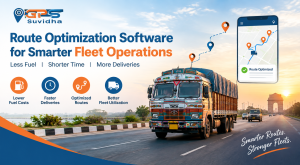
A fleet tracking system can help managers compare actual vehicle movement with planned routes.
When a vehicle moves away from its expected route, managers can investigate the reason and take appropriate action. This can help reduce unnecessary detours, unauthorized stops, and avoidable delays.
Fuel Cost Management
Fuel represents a significant operating expense for transportation businesses.
Tracking vehicle activity can help fleet managers identify patterns associated with unnecessary fuel consumption, excessive idling, inefficient routes, or unusual vehicle usage.
The resulting information can support better route planning and fuel management decisions.
Driver Safety Monitoring
Driver behavior has a direct impact on road safety, vehicle wear, fuel consumption, and operating costs.
Depending on the tracking system and available vehicle data, fleet managers can monitor activities such as overspeeding, harsh braking, sudden acceleration, and prolonged idling.
This information can be used to identify risky driving patterns and support driver training programs.
Better Delivery Visibility
Customers increasingly expect reliable delivery updates.
Real-time truck tracking allows businesses to understand vehicle progress and provide more accurate delivery information. Better visibility can improve communication with customers and reduce uncertainty around shipment status.
Faster Operational Decisions
Fleet managers cannot make effective decisions when important information is unavailable.
With centralized vehicle data, managers can make faster decisions about routes, vehicle allocation, delivery schedules, and operational issues.
What Makes a Truck GPS Tracking Solution Effective?
Choosing a tracking system should involve more than simply looking at whether it can display a vehicle on a map.
A useful truck GPS tracking solution should support the actual operational requirements of the fleet.
Reliable Tracking
A tracking system needs to provide dependable vehicle information when fleet managers need it. Consistent access to tracking data is particularly important during long-distance journeys and time-sensitive deliveries.
Easy Fleet Management
A good system should make it simple to monitor multiple vehicles from a centralized dashboard.
Fleet managers should be able to understand vehicle status without dealing with complicated processes.
Scalable Fleet Solutions
Fleet requirements vary significantly.
A business operating five vehicles may have very different needs from a logistics company managing hundreds of trucks.
The tracking solution should therefore be capable of supporting fleet growth and different operational requirements.
Mobile Accessibility
Fleet operations do not always happen from a desk.
Mobile access allows owners and managers to check vehicle information, receive alerts, and monitor operations while away from the office.
Actionable Reports
Tracking data becomes more valuable when it can be converted into useful insights.
Reports related to vehicle movement, routes, fuel usage, driver behavior, and operational activity can help managers identify inefficiencies and improve fleet performance.
Key Features to Look for in a Truck GPS Tracking Solution
Before selecting a GPS tracking system, fleet owners should evaluate the features that have the greatest impact on their operations.
Centralized Fleet Dashboard
A centralized dashboard allows managers to monitor multiple vehicles from one platform.
Instead of depending on individual driver updates, managers can access fleet information from a single system.
Real-Time Alerts
Useful alerts can notify managers about important events such as:
• Route deviations
• Unscheduled stops
• Prolonged vehicle halts
• Overspeeding
• Unusual vehicle activity
• Changes in fuel consumption patterns
Timely alerts allow fleet teams to investigate potential problems before they become larger operational issues.
Fuel Monitoring
Fuel monitoring can help businesses understand consumption patterns across vehicles and routes.
Over time, this information can reveal opportunities to reduce unnecessary fuel expenses.
Driver Behavior Monitoring
Driver behavior data can help identify patterns such as speeding, harsh braking, sudden acceleration, and excessive idling.
Fleet managers can use these insights to encourage safer and more efficient driving practices.
Mobile Fleet Monitoring
A mobile application can allow fleet owners and managers to monitor vehicles from anywhere.
This provides flexibility for businesses where decision-makers frequently work outside the office.
Fleet Reports
Detailed reports help transform tracking information into operational insights.
Managers can use historical data to evaluate routes, vehicle activity, driver performance, and other fleet metrics.
Geofencing
Geofencing allows businesses to create virtual boundaries around specific locations such as warehouses, delivery areas, offices, or restricted zones.
Alerts can help managers understand when vehicles enter or leave defined areas.
Who Can Benefit From a Truck GPS Tracking Solution?
A GPS-based fleet tracking system can benefit different stakeholders across the transportation and logistics ecosystem.
Fleet Owners
Fleet owners gain better visibility into vehicle movement, operating costs, and potential areas of savings.
Fleet Managers
Managers can spend less time making manual location calls and more time focusing on route planning, operational efficiency, and issue resolution.
Drivers
Clear route visibility and better communication can support safer and more organized journeys.
Customers
Customers benefit from improved delivery visibility and more reliable communication about shipment progress.
The common benefit across all these stakeholders is better information. When fleet information is available at the right time, businesses can respond faster and operate more efficiently.
How to Get Started With a Truck GPS Tracking Solution
Moving from manual tracking to a GPS-based system does not have to be complicated.
A typical implementation process includes:
- Assess your fleet requirements
Understand your fleet size, vehicle types, routes, operational challenges, and tracking requirements.
- Select the right tracking solution
Choose a system that provides the features your business actually needs rather than paying for unnecessary functionality.
- Install GPS tracking devices
Tracking devices are installed in the relevant vehicles and configured for fleet monitoring.
- Configure the tracking platform
The dashboard, alerts, user access, and reporting requirements can then be configured according to business needs.
- Train the team
Fleet managers and relevant staff should understand how to use the dashboard, mobile application, alerts, and reports.
- Start monitoring fleet operations
Once the system is active, managers can begin using real-time tracking data to improve daily operations.
- Review the data regularly
The greatest value comes from consistently analyzing fleet data and using those insights to improve routes, fuel management, driver performance, and vehicle utilization.
Conclusion
Modern logistics operations require more than simply knowing whether a truck has left the warehouse.
Fleet owners need visibility into vehicle movement, route performance, driver behavior, fuel usage, delivery progress, and operational efficiency.
A reliable truck GPS tracking solution brings these elements together and gives businesses the information needed to manage their fleet more effectively.
For growing logistics and transportation businesses, real-time tracking can help reduce operational uncertainty, improve driver accountability, support safer driving, optimize routes, and identify opportunities to control costs.
The key is to choose a solution that fits the actual needs of your fleet and provides useful data that can be converted into better business decisions.
If your fleet still depends heavily on manual location updates and fragmented tracking methods, moving toward a centralized GPS-based fleet tracking system can be an important step toward more efficient fleet management.