
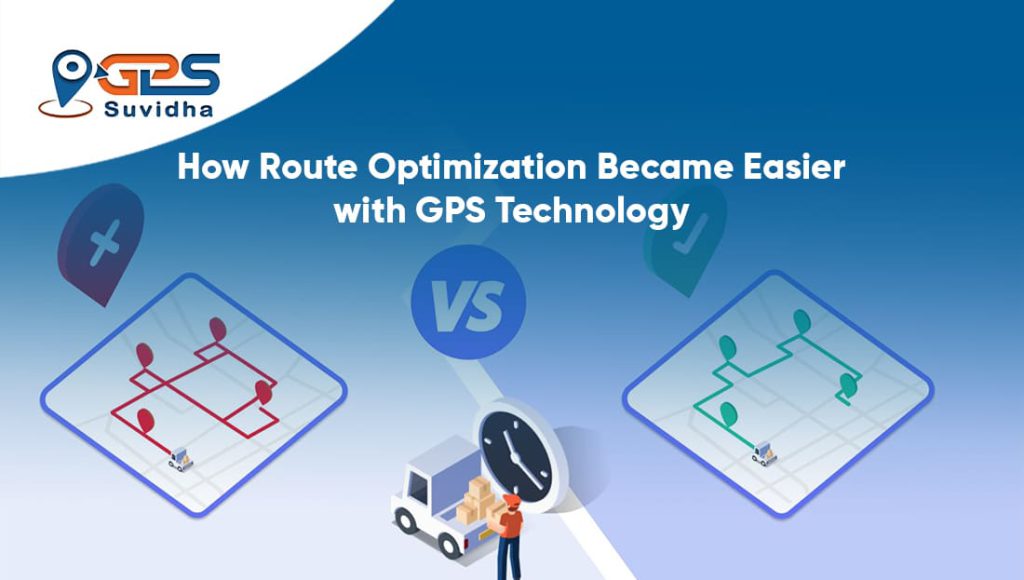
Route planning has always been one of the most important parts of transportation and logistics operations. Before GPS Technology and modern navigation systems became common, drivers and fleet managers mostly depended on maps, experience, and manual planning.
However, this process often caused delays, fuel wastage, and inefficient travel routes.
Over time, GPS Technology changed how businesses and vehicle owners manage routes. It introduced real-time tracking, traffic monitoring, and navigation support, making route optimization much easier and more accurate.
Today, many transport businesses, logistics companies, and personal vehicle owners use GPS Systems to improve travel efficiency and reduce operational challenges.
The Challenges of Route Planning Before GPS Technology
Before GPS Technology, route planning depended heavily on manual methods.
Drivers often faced problems such as:
- Traffic congestion
- Route confusion
- Longer travel distances
- Delayed deliveries
- Fuel wastage
Since there was no real-time traffic visibility, drivers usually selected routes based on assumptions or previous experience.
As a result, travel efficiency was often poor.
How GPS Technology Made Route Optimization Easier
First, real-time navigation improved route selection
One of the biggest improvements introduced by GPS Tracking was real-time navigation.
GPS systems allowed drivers and fleet managers to see:
- Live road conditions
- Alternative routes
- Estimated travel times
This helped drivers avoid traffic-heavy roads and choose more efficient routes.
Navigation industry studies show that GPS-based route guidance improves travel efficiency and reduces unnecessary driving time.
Traffic monitoring helped reduce delays
Before GPS systems, drivers usually became aware of traffic problems only after reaching congested areas.
However, Real-Time GPS Tracking introduced live traffic monitoring.
This helped drivers:
- Avoid traffic congestion
- Reduce waiting time
- Improve delivery schedules
As a result, route planning became faster and more efficient.
Fuel efficiency improved with better routes
Fuel costs are one of the biggest concerns in transportation and logistics operations.
Poor route planning often leads to:
- Longer travel distances
- Extra fuel usage
- Increased idle time
GPS Vehicle Tracking systems help reduce these problems by optimizing routes and improving driving efficiency.
Fleet management research shows that optimized routes and reduced idle time help lower fuel consumption significantly.
Delivery and travel time became more predictable
Before GPS systems, estimating arrival times was difficult because there was limited visibility into traffic and route conditions.
GPS systems improved this by providing:
- Estimated arrival times (ETA)
- Real-time route updates
- Continuous vehicle tracking
This helped transport businesses improve scheduling and customer communication.
Route planning became easier for fleet managers
Managing multiple vehicles manually was difficult before GPS Tracking Systems.
Fleet managers had limited control over:
- Route planning
- Vehicle movement
- Delivery coordination
GPS systems simplified this process by providing centralized route visibility and tracking tools.
This improved operational coordination and efficiency.
Drivers became less dependent on manual directions
Earlier, drivers often relied on:
- Paper maps
- Local guidance
- Personal route experience
This sometimes caused confusion and wrong turns, especially in unfamiliar areas.
With GPS Technology, drivers started receiving automated navigation guidance, making travel easier and more accurate.
Real-time data improved decision-making
Another major advantage of GPS systems is access to real-time operational data.
Businesses can now analyze:
- Route performance
- Travel time
- Fuel efficiency
- Vehicle movement patterns
This helps companies continuously improve route planning and operational efficiency.
Also Read:- How Personal Car Owners Began Using GPS for Safety
Why Route Optimization Matters More in India
In India, route planning is more challenging because of:
- Heavy traffic congestion
- Long-distance transportation
- Rapidly changing road conditions
- High fuel prices
Without proper route optimization, businesses may face delays, higher operational costs, and reduced productivity.
Because of these challenges, many Indian businesses are increasingly adopting GPS Tracking and route optimization systems.
How GPS Suvidha Helps Improve Route Optimization
Modern solutions like GPS Suvidha help businesses and vehicle owners simplify route management.
With GPS Suvidha, users can:
- Track vehicles in real time
- Monitor routes and travel activity
- Improve navigation and route planning
- Reduce unnecessary delays and fuel wastage
This helps businesses improve operational efficiency and make smarter transportation decisions.
Instead of relying on assumptions, users get accurate route insights and real-time visibility.
Improve Route Planning with Smart GPS Technology
If you want better route planning, improved travel efficiency, and more operational control, GPS technology can be a practical solution.
With solutions like GPS Suvidha, businesses and vehicle owners get real-time tracking, route optimization support, and easy-to-use tools that simplify transportation management.
Instead of depending on guesswork, users can make decisions using accurate real-time data.
Frequently Asked Questions
GPS helps improve route optimization by providing real-time navigation, traffic updates, and efficient route suggestions.
Yes. Better route planning and reduced idle time help improve fuel efficiency.
Route optimization helps reduce delivery delays, improve efficiency, and lower operational costs.
Yes. Businesses of all sizes can use GPS systems to improve travel and operational efficiency.