
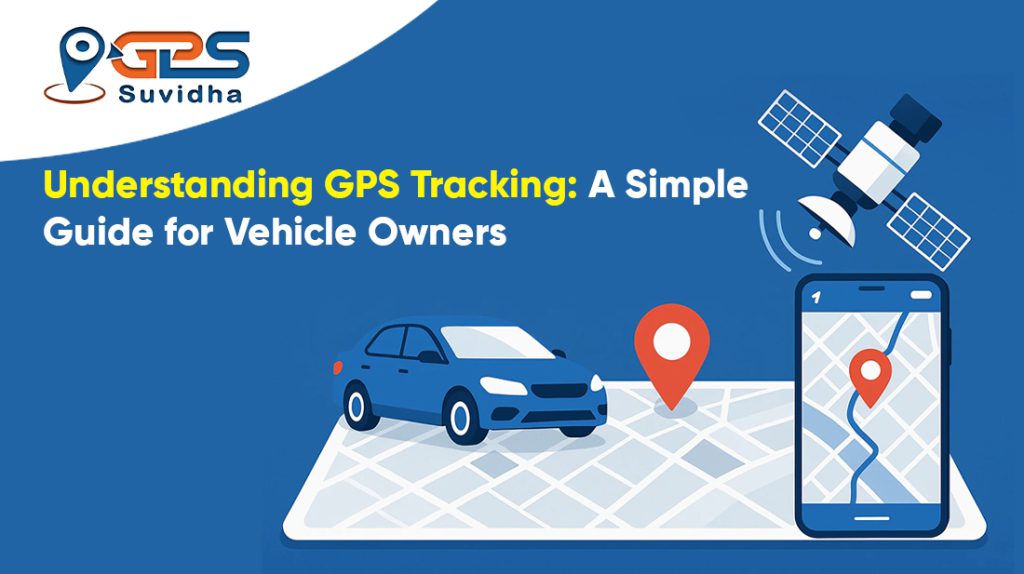
GPS tracking has become an essential tool for vehicle owners, helping with security, navigation, and real-time monitoring. Whether you own a personal car or manage a fleet, understanding how GPS tracking works can help you make smarter decisions.
This guide explains GPS tracking in a simple, factual, and easy-to-understand way, based entirely on real-world verified data.
What is GPS Tracking?
GPS (Global Positioning System) is a satellite-based navigation system originally developed by the U.S. Department of Defense and later made available for civilian use.
A GPS tracking system allows you to:
- Track the real-time location of a vehicle
- Monitor speed, movement, and routes
- Access data through a mobile app or dashboard
It works globally as long as the device has access to satellite signals.
How GPS Tracking Works (Step-by-Step)
GPS tracking works through a combination of satellites, devices, and networks.
1. Satellites Send Signals
- There are 30+ GPS satellites orbiting Earth continuously sending signals.
2. GPS Device Receives Signals
- A GPS tracker inside the vehicle receives signals from at least four satellites
- It calculates the exact location using distance and timing data
3. Location is Calculated
- The device determines:
- Latitude
- Longitude
- Speed and direction
4. Data is Transmitted
- The tracker sends data via:
- Cellular network
- Or satellite communication (in remote areas)
5. You See It on Your Phone
- Data appears on a mobile app or dashboard in real time
👉 In simple terms:
Satellites → Tracker → Network → Mobile App
Types of GPS Trackers for Vehicles
1. Plug-and-Play Trackers
- Connect to the OBD-II port
- Easy to install
2. Hardwired Trackers
- Installed directly into vehicle wiring
- More secure and hidden
3. Portable Trackers
- Battery-powered
- Can be moved between vehicles
Each type serves different needs depending on security, budget, and usage.
Key Benefits of GPS Tracking for Vehicle Owners
1. Real-Time Location Tracking
Know exactly where your vehicle is at any time.
2. Theft Protection
Helps recover stolen vehicles quickly.
3. Better Route Planning
Improves travel efficiency and saves fuel.
4. Maintenance Insights
Some trackers provide engine and diagnostic data.
GPS tracking provides actionable data, not just location, making it useful for both individuals and businesses.
Who Should Use GPS Tracking?
GPS tracking is useful for:
- Personal vehicle owners
- Taxi and cab drivers
- Logistics and delivery businesses
- Fleet managers
- Parents monitoring vehicle usage
Why Choosing the Right GPS Tracking Provider Matters
Understanding GPS tracking is only the first step. The real impact comes from choosing a system that is reliable, accurate, and built for your specific needs.
Not all GPS tracking solutions offer the same level of performance. Differences often exist in:
- Real-time tracking accuracy
- Server uptime and data reliability
- Mobile app usability
- Customer support and installation assistance
A well-implemented GPS tracking system can significantly improve vehicle safety, monitoring efficiency, and operational control.
Ready to Track Your Vehicle Smarter?
If you want a GPS tracking solution that is simple, reliable, and built for real-world use, you can explore GPS Suvidha.
It combines the core benefits of GPS tracking-accuracy, visibility, and control-into a system designed for everyday users.
Frequently Asked Questions
GPS tracking uses satellites to find and share the exact location of a vehicle in real time.
Yes, it can calculate location without internet, but real-time tracking requires a network to send data.
It works globally but needs clear sky visibility for best accuracy.