

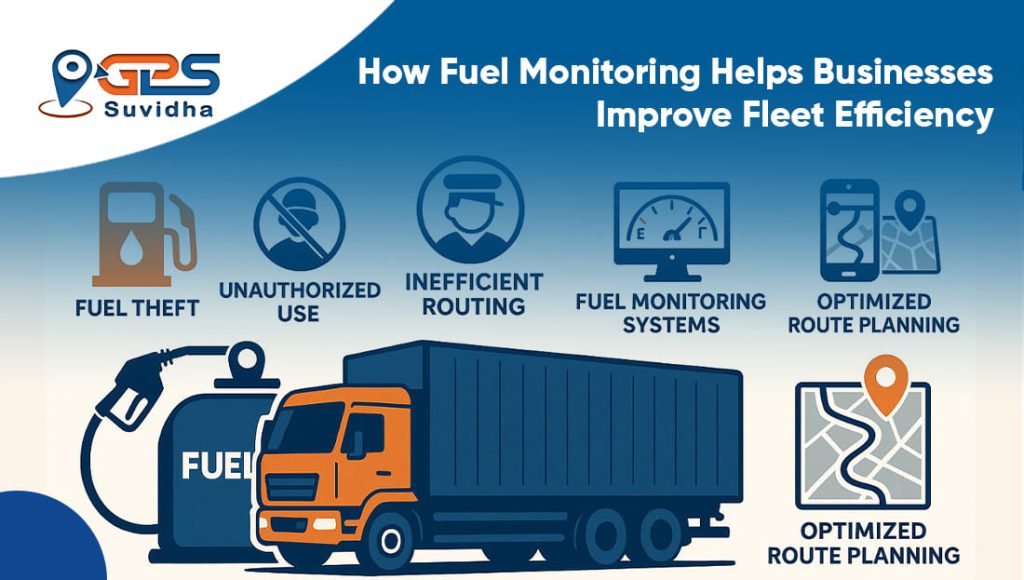
Fuel is one of the biggest operating expenses for businesses that use commercial vehicles. Whether you manage delivery vans, trucks, or service vehicles, fuel plays an important role in daily operations. Even small changes in fuel usage can affect overall business costs.
Many businesses monitor vehicle movement but overlook how fuel is being used. Without accurate information, it becomes difficult to understand fuel consumption patterns or review vehicle activity effectively.
This is where Fuel Monitoring becomes valuable.
A Fuel Monitoring System, combined with GPS Tracking, gives businesses better visibility into vehicle activity and fuel-related data. It helps fleet managers review trips, monitor routes, and make informed decisions based on reliable information.
As businesses continue to improve fleet efficiency, Fuel Monitoring has become an important part of modern fleet management.
Why Fuel Monitoring Matters for Modern Fleets
Managing fuel is about more than controlling costs. It also helps businesses understand how their vehicles are being used.
Without proper monitoring, managers often rely on manual records or estimates. However, these methods do not always provide complete information.
Fuel Monitoring gives businesses better visibility into daily vehicle operations. It allows managers to review fuel-related information alongside trip history and vehicle movement.
As a result, businesses gain a clearer understanding of their fleet and can make better operational decisions.
How Fuel Monitoring Improves Fleet Efficiency
Better Visibility into Fuel Usage
One of the biggest benefits of Fuel Monitoring is improved visibility.
Fleet managers can review fuel information together with vehicle activity. Therefore, they gain a better understanding of how vehicles are being used throughout the day.
This information supports better planning and improves overall Fleet Management.
Supports Better Route Planning
Efficient routes help businesses operate more smoothly.
When businesses combine GPS Tracking with Fuel Monitoring, they can review route history and vehicle movement from one platform.
As a result, managers can better understand completed trips and improve future route planning.
Improves Fleet Monitoring
Managing multiple vehicles can be challenging.
However, Fuel Monitoring works alongside Fleet Monitoring to provide a more complete view of fleet activity.
Managers can review vehicle movement, route history, and fuel-related information from one place.
Because of this, monitoring daily operations becomes much easier.
Helps Managers Make Better Decisions
Good decisions depend on accurate information.
A Fuel Monitoring System provides useful data that helps managers review vehicle activity and daily operations.
Instead of relying only on manual updates, businesses can use reports and tracking information to support their decisions.
Therefore, operational planning becomes more effective.
Simplifies Daily Reporting
Preparing reports manually often takes time.
Fortunately, GPS-based fleet management systems automatically record trip details and vehicle activity.
Managers can review reports more quickly and access important fleet information whenever needed.
As a result, reporting becomes faster, more organized, and easier to manage.
Supports Long-Term Fleet Efficiency
Improving Fleet Efficiency is an ongoing process.
Businesses need reliable information to understand how their fleet performs over time.
Fuel Monitoring, together with Vehicle Tracking, provides valuable operational data that supports long-term planning.
Consequently, businesses can improve fleet management while maintaining better visibility into daily operations.
How GPS Suvidha Supports Fuel Monitoring
GPS Suvidha offers GPS Tracking solutions with Fuel Monitoring features that help businesses monitor vehicle activity, fuel information, and improve overall Fleet Management.
GPS Suvidha offers GPS Tracking service with Fuel Monitoring features to support efficient fleet management, including:
- Track vehicles in real time
- Monitor vehicle routes
- View route history
- Receive overspeed alerts
- Receive long stop alerts
- Access daily reports
- Monitor fuel information
- Monitor multiple vehicles from one platform
These features help businesses stay informed, improve fleet visibility, and manage vehicles more efficiently using one centralized platform.
Why Fuel Monitoring is a Smart Business Investment
Businesses make better decisions when they have accurate information.
Fuel Monitoring helps managers understand vehicle activity, review trip history, and improve fleet visibility. When combined with GPS Tracking, it provides a clearer picture of daily operations and supports better fleet management.
Whether your business operates a small fleet or a large number of commercial vehicles, having reliable fuel and vehicle information can improve planning and simplify daily operations.
Choosing a trusted GPS tracking solution with Fuel Monitoring features can help businesses stay organized today while preparing for future growth.
Frequently Asked Questions
Fuel Monitoring helps businesses review fuel-related information together with vehicle activity, making fleet management more informed and organized.
Fuel Monitoring provides better visibility into vehicle activity, supports route planning, simplifies reporting, and helps managers make informed operational decisions.
Yes. Many fleet management solutions combine GPS Tracking with Fuel Monitoring to provide vehicle location, route history, and fuel-related information from one platform.
Yes. GPS Suvidha offers Fuel Monitoring as part of its GPS tracking solutions where the installed tracking device supports this feature.