
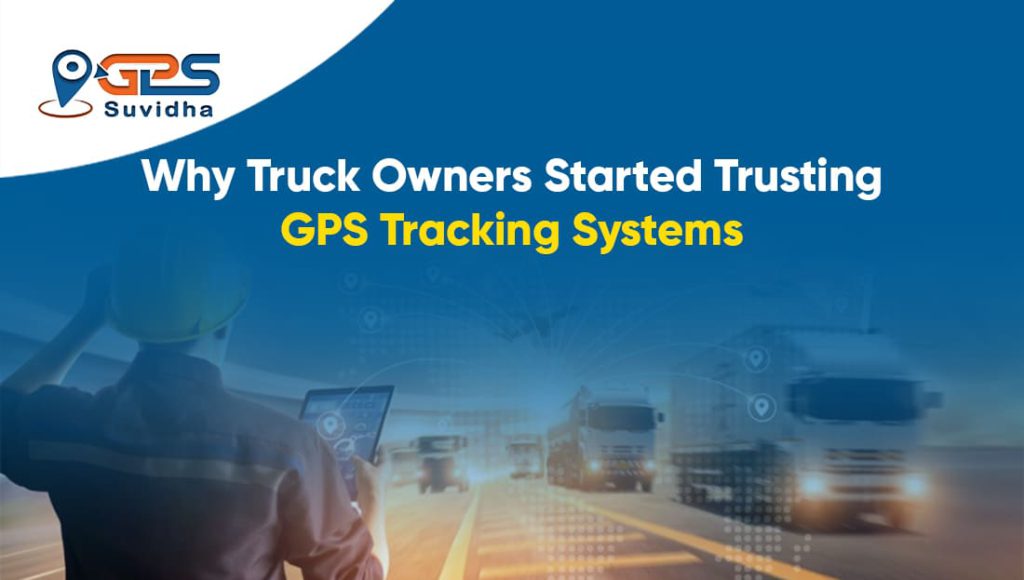
Managing trucks has never been an easy task. Truck owners have always faced challenges like delayed deliveries, fuel theft, route confusion, vehicle misuse, and a lack of communication with drivers. Before GPS tracking systems became common, most truck owners depended on phone calls and manual updates to manage their vehicles. However, these methods were slow, unreliable, and often created confusion.
Over time, GPS tracking systems started solving these daily problems. As truck owners began seeing better control, improved safety, and reduced operational issues, trust in tracking systems increased rapidly. Today, GPS tracking has become an important tool for truck owners who want better visibility and more efficient operations.
The Problems Truck Owners Faced Before GPS Tracking
Before GPS systems, truck owners had very limited information about what was happening on the road.
Common problems included:
- Not knowing the exact truck location
- Delayed delivery updates
- Fuel wastage and unauthorized trips
- Difficulty managing long-distance routes
- Poor communication with drivers
Because of this, many truck owners had to rely on assumptions instead of real-time information.
How GPS Tracking Started Building Trust
First, truck owners got real-time visibility
One of the biggest reasons truck owners started trusting GPS systems was real-time tracking.
Instead of calling drivers repeatedly, owners could now see the exact truck location directly on a dashboard or mobile app.
Fleet management industry reports show that GPS tracking improves operational visibility through continuous location monitoring.
This gave truck owners more confidence and control over daily operations.
Better route management improved efficiency
Earlier, drivers often selected routes based on experience or personal choice.
This sometimes caused:
- Longer travel times
- Traffic delays
- Extra fuel usage
GPS systems introduced route optimization and navigation support, helping trucks follow more efficient routes.
As a result, truck owners started saving both time and fuel.
Fuel monitoring became easier
Fuel costs are one of the biggest expenses in trucking operations.
Before GPS tracking, fuel misuse and unnecessary driving were difficult to identify.
GPS systems helped truck owners monitor:
- Vehicle movement
- Idle time
- Route history
Industry studies show that route optimization and reduced idling can significantly lower fuel consumption in fleet operations.
Because of these improvements, many truck owners started seeing real savings.
Driver accountability increased
Another major reason for growing trust was better driver accountability.
Without tracking systems, it was difficult to know:
- Whether routes were followed properly
- If trucks were being used for unauthorized trips
- How vehicles were being driven
They introduced transparency through travel history and activity monitoring.
This helped reduce misuse and improve operational discipline.
Delivery tracking became more reliable
Customers and businesses increasingly wanted accurate delivery updates.
However, before GPS systems, delivery estimates were mostly based on assumptions.
GPS tracking improved this by allowing truck owners to monitor vehicle movement in real time.
As a result:
- Delivery planning improved
- Customer communication became easier
- Delays could be managed faster
Safety became a major reason for trust
Truck owners also started trusting GPS tracking because it improved safety.
With real-time location data, vehicles could be located quickly during:
- Accidents
- Breakdowns
- Emergencies
- Theft situations
Fleet safety research shows that GPS tracking helps improve emergency response and vehicle security.
This made truck owners feel more secure about their vehicles and drivers.
Data replaced guesswork
Before GPS tracking, truck management depended heavily on assumptions and manual reporting.
However, GPS systems introduced real operational data such as:
- Route history
- Travel time
- Vehicle activity
This helped truck owners make smarter and faster decisions.
Over time, seeing reliable data consistently increased trust in GPS systems.
Also Read:- The Biggest Challenges Fleet Owners Faced Before GPS Solutions
Why GPS Tracking Became Important for Indian Truck Owners
In India, trucking operations face additional challenges such as:
- Heavy traffic
- Long-distance travel
- Rising fuel costs
- Delivery pressure
Without proper monitoring, managing these challenges becomes difficult.
It helps truck owners improve operational visibility and maintain better control over their vehicles.
Because of this, GPS tracking adoption has increased rapidly across the Indian transport industry.
How GPS Suvidha Helps Truck Owners Today
Modern solutions like GPS Suvidha continue solving these trucking challenges with easy-to-use tracking tools.
With GPS Suvidha, truck owners can:
- Track trucks in real time
- Monitor routes
- Access trip history and reports
- Improve vehicle safety and operational control
Instead of depending on manual updates, truck owners get accurate information that helps them manage operations more efficiently.
When Should Truck Owners Use GPS Tracking?
Truck owners should consider GPS tracking if they want to:
- Improve vehicle visibility
- Reduce fuel wastage
- Increase driver accountability
- Improve delivery management
- Enhance vehicle safety
The earlier tracking systems are adopted, the easier it becomes to manage trucking operations effectively.
Want a Smarter Way to Manage Your Trucks?
If you want better control, improved safety, and more efficient operations, moving to a GPS-based tracking system is a practical step.
With solutions like GPS Suvidha, truck owners get real-time tracking, accurate updates, and simple tools that make daily operations easier to manage.
Instead of relying on guesswork, you gain reliable information that helps you make better business decisions.
Frequently Asked Questions
Truck owners use GPS tracking to improve visibility, reduce fuel wastage, monitor routes, and improve operational control.
GPS tracking provides real-time vehicle location, helping improve emergency response and vehicle security.
Yes. Better route planning and reduced idle time can help lower fuel consumption.
Yes. Even single truck owners can benefit from better visibility and operational control.