
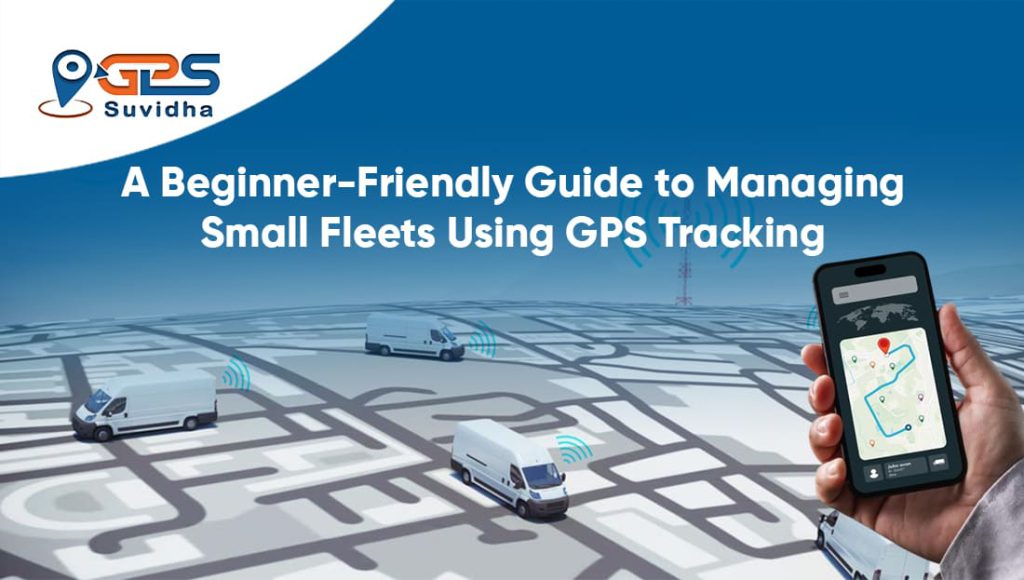
Managing Small Fleets may seem easier than managing a large number of vehicles, but it still comes with several daily challenges. Business owners need to keep track of vehicle locations, manage fuel costs, monitor operations, and ensure vehicles are being used efficiently. Before GPS Tracking became widely available, businesses operating Small Fleets often relied on phone calls, driver updates, and manual records to manage their vehicles. While this approach worked to some extent, it often resulted in limited visibility and slower decision-making.
Today, GPS Tracking Systems have made managing Small Fleets much easier. With real-time vehicle visibility and operational insights, businesses can improve efficiency and gain better control over their daily transportation activities.
What Are Small Fleets?
Small Fleets generally refer to businesses that operate a limited number of vehicles, typically for deliveries, transportation, field services, or daily operations.
Examples of Small Fleets include:
- Delivery vans
- Service vehicles
- School vehicles
- Small transport trucks
- Company-owned cars
Even when a business operates only a few vehicles, proper management is important for maintaining efficiency and controlling operational costs.
Why Managing Small Fleets Can Be Challenging
Many businesses managing Small Fleets face common challenges every day.
Some of these challenges include:
- Limited visibility of vehicle locations
- Difficulty monitoring vehicle movement
- Rising fuel expenses
- Route planning issues
- Delayed deliveries or services
- Communication gaps with drivers
Without accurate information, it becomes difficult to know how vehicles are being used and whether operations are running efficiently.
How GPS Tracking Helps Manage Small Fleets
Real-time visibility improves fleet control
One of the biggest advantages of GPS Tracking for Small Fleets is real-time visibility.
Fleet owners can instantly view:
- Vehicle locations
- Travel routes
- Trip activity
- Vehicle movement status
Instead of relying on phone calls and manual updates, businesses can access accurate information whenever needed.
This helps improve operational control and decision-making.
Better route planning improves efficiency
Route planning plays an important role in managing Small Fleets.
Without proper route management, vehicles may experience:
- Longer travel times
- Traffic-related delays
- Unnecessary travel distance
GPS Tracking Systems help businesses monitor routes and improve travel efficiency.
Fleet management studies have shown that route optimization can help reduce unnecessary travel and improve operational performance.
Fuel management becomes easier
Fuel is often one of the largest operating expenses for businesses running Small Fleets.
GPS systems provide better visibility into vehicle activity, helping businesses identify:
- Excessive idle time
- Unnecessary trips
- Route inefficiencies
This information helps fleet owners make better decisions regarding vehicle usage and fuel management.
Driver coordination becomes more effective
Managing drivers can sometimes be difficult, even when operating Small Fleets.
Before Real-Time GPS Tracking, businesses often depended on continuous phone communication to stay updated.
With GPS tracking, managers can monitor vehicle activity without constantly contacting drivers.
This improves communication while reducing operational interruptions.
Vehicle security improves
Vehicle security is another important concern for businesses managing Small Fleets.
GPS tracking helps improve visibility into vehicle movement and allows businesses to monitor unusual activity.
This can support:
- Better vehicle monitoring
- Improved fleet visibility
- Faster response to unexpected situations
As a result, businesses gain more confidence in managing their fleet operations.
Performance tracking becomes easier
Modern GPS Fleet Tracking systems provide access to valuable operational information.
Businesses can review:
- Trip history
- Vehicle usage patterns
- Route performance
- Travel activity
This data helps fleet owners understand how their Small Fleets are performing and identify opportunities for improvement.
Also Read:- Real-Time Tracking Explained in a Way Anyone Can Understand
Why GPS Tracking Is Important for Small Fleets in India
Businesses operating Small Fleets in India often face challenges such as:
- Traffic congestion
- Long travel distances
- Rising fuel costs
- Increasing customer expectations
Without proper monitoring, managing these challenges can become difficult.
Because of this, many businesses are adopting GPS Tracking to improve operational visibility and make better transportation decisions.
Today, GPS technology has become an important tool for businesses operating Small Fleets across India.
How GPS Suvidha Helps Manage Small Fleets
Modern solutions like GPS Suvidha help businesses manage Small Fleets more effectively.
With GPS Suvidha, businesses can:
- Track vehicles in real time
- Monitor routes and trips
- Improve fleet visibility
- Access operational reports
- Improve vehicle utilization
This helps businesses simplify daily operations and improve overall efficiency.
Instead of relying on assumptions, fleet owners receive accurate real-time information that supports better decision-making.
Simple Tips for Managing Small Fleets More Efficiently
Monitor vehicles regularly
Regular vehicle monitoring helps businesses stay informed about fleet activity and operational performance.
Improve route planning
Efficient routes can help reduce travel delays and improve productivity.
Review operational reports
Reports provide useful insights into vehicle usage and overall fleet performance.
Use location-based monitoring
Features such as geofencing can help improve visibility and operational control.
Analyze fleet data
Using available fleet data helps businesses identify opportunities to improve efficiency.
Looking for an Easier Way to Manage Small Fleets?
If you operate Small Fleets and want better visibility, improved vehicle monitoring, and more control over daily operations, GPS tracking can be a practical solution.
With solutions like GPS Suvidha businesses managing Small Fleets can access real-time tracking, route visibility, and fleet management tools that simplify day-to-day operations.
Instead of depending on manual updates, fleet owners can make smarter decisions using accurate real-time information and improve overall fleet efficiency.
Frequently Asked Questions
Small Fleets are businesses or organizations that operate a limited number of vehicles for transportation, delivery, or service operations.
GPS tracking helps Small Fleets improve vehicle visibility, route planning, and operational efficiency.
Yes. Businesses operating Small Fleets can use GPS tracking to monitor vehicles and improve fleet management.
GPS tracking provides real-time visibility, better operational control, and improved route management for Small Fleets.
Yes. Route optimization helps Small Fleets improve efficiency, reduce unnecessary travel, and better manage daily operations.