
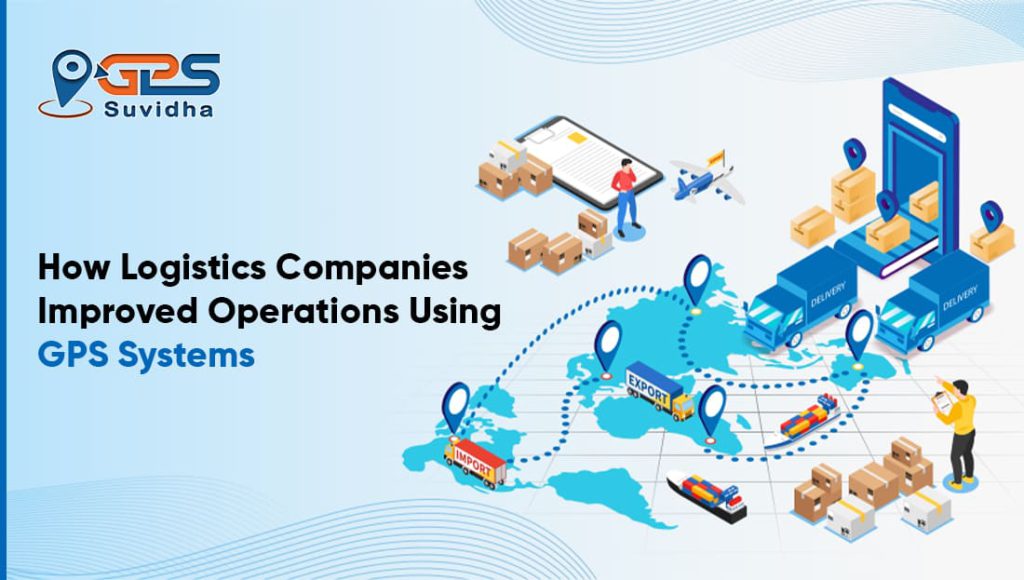
The logistics industry depends heavily on speed, coordination, and accurate delivery management. Before GPS Tracking systems became common, logistics companies faced many operational challenges every day. Managers often relied on phone calls, manual reports, and driver updates to track shipments and vehicles. However, this process was slow, inefficient, and difficult to manage, especially for large operations.
Over time, GPS Systems changed the logistics industry by improving visibility, route planning, communication, and operational efficiency. Today, many logistics companies use GPS Tracking to manage vehicles, reduce delays, improve customer service, and control operational costs more effectively.
Operational Challenges Logistics Companies Faced Before GPS Systems
Before GPS Tracking Systems, logistics companies struggled with problems such as:
- Limited vehicle visibility
- Delivery delays
- Poor route planning
- High fuel costs
- Communication gaps with drivers
- Difficulty managing large fleets
Without real-time tracking, operations depended heavily on assumptions and manual coordination.
Because of this, maintaining efficiency was difficult.
How GPS Systems Improved Logistics Operations
First, logistics companies gained real-time visibility
One of the biggest improvements was real-time vehicle monitoring.
With GPS Tracking, logistics managers could now see the exact location of delivery vehicles and shipments.
This helped improve:
- Operational control
- Delivery coordination
- Shipment visibility
Fleet management studies show that real-time tracking improves visibility and operational efficiency across logistics operations.
This was a major shift from traditional manual tracking methods.
Better route planning improved delivery efficiency
Earlier, drivers often selected routes based on experience instead of live traffic conditions.
This sometimes caused:
- Longer travel times
- Delayed deliveries
- Increased fuel usage
GPS Vehicle Tracking systems introduced route optimization and navigation support.
As a result, logistics companies started improving delivery speed and operational efficiency.
Industry research shows that route optimization helps reduce unnecessary travel time and fuel consumption.
Fuel management became easier
Fuel costs are one of the largest operational expenses in logistics.
Before GPS Tracking, businesses had limited visibility into:
- Idle time
- Route inefficiencies
- Unnecessary vehicle movement
GPS systems helped companies monitor vehicle activity more accurately.
This improved fuel efficiency and reduced operational waste.
Fleet studies show that optimized routes and reduced idling help lower fuel consumption significantly.
Delivery tracking improved customer service
Customers increasingly expect accurate delivery updates and faster service.
Without real-time monitoring, logistics companies struggled to provide accurate delivery information.
However, Real-Time GPS Tracking allowed businesses to:
- Monitor shipment progress
- Provide live delivery updates
- Improve estimated arrival accuracy
This improved customer communication and overall service quality.
Communication between drivers and managers improved
Before GPS systems, logistics operations depended heavily on phone calls and manual communication.
This often caused:
- Delayed updates
- Miscommunication
- Incomplete information
GPS systems reduced this dependency by automatically sharing real-time vehicle data.
This improved coordination between drivers, dispatch teams, and managers.
Vehicle safety and security improved
Logistics companies also started using GPS Tracking Systems to improve vehicle and cargo safety.
GPS tracking helps companies:
- Locate vehicles quickly during emergencies
- Monitor unauthorized movement
- Improve theft recovery efforts
Vehicle tracking research shows that GPS-based monitoring improves fleet security and emergency response efficiency.
Data-driven decision-making became possible
One of the biggest changes GPS introduced was access to real operational data.
Instead of relying on assumptions, logistics companies could now analyze:
- Delivery times
- Route performance
- Vehicle usage patterns
This helped businesses make smarter operational decisions and improve long-term efficiency.
Also Read:- The Growing Need for GPS Tracking in School Transportation
Why GPS Tracking Became Important for Logistics Companies in India
In India, logistics operations face additional challenges such as:
- Heavy traffic congestion
- Long-distance transportation
- Rising fuel prices
- High delivery demand
Without proper monitoring, managing these operations becomes extremely difficult.
Because of this, many Indian logistics companies started adopting GPS Tracking to improve visibility, efficiency, and operational control.
Today, GPS tracking has become an important part of modern logistics management in India.
How GPS Suvidha Helps Logistics Businesses
Modern solutions like GPS Suvidha help logistics companies manage operations more effectively.
With GPS Suvidha, logistics businesses can:
- Track vehicles in real time
- Monitor routes and delivery movement
- Access reports and operational insights
- Improve fleet visibility and control
This helps businesses reduce operational confusion and improve efficiency.
Instead of depending on manual updates, logistics companies get accurate, real-time information that supports better decision-making.
Looking for a Smarter Way to Manage Logistics Operations?
If you want better operational visibility, improved delivery management, and more control over your logistics fleet, GPS tracking is a practical solution.
With solutions like GPS Suvidha, logistics companies get real-time tracking, accurate operational insights, and easy-to-use tools that simplify daily fleet management.
Instead of relying on assumptions, businesses can make decisions using real-time data and improve operational efficiency.
Frequently Asked Questions
Logistics companies use GPS tracking to monitor vehicles, improve route planning, and manage deliveries in real time.
Yes. Better route optimization and reduced idle time help lower fuel and operational costs.
GPS tracking improves visibility, operational control, delivery management, and customer communication.
Yes. Businesses of all sizes can use GPS tracking to improve operational efficiency and fleet management.